Ask a question
AED 16.95
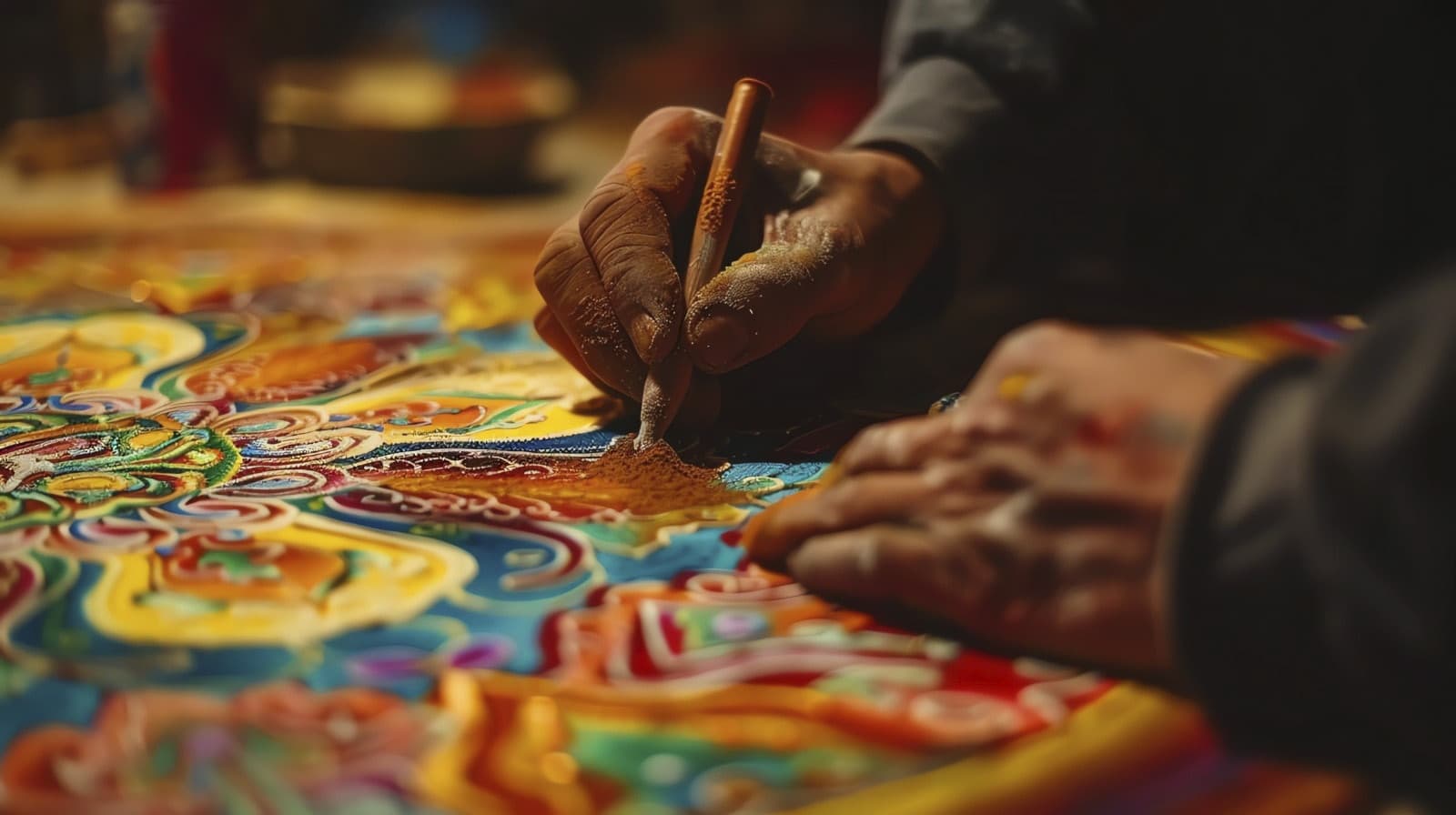

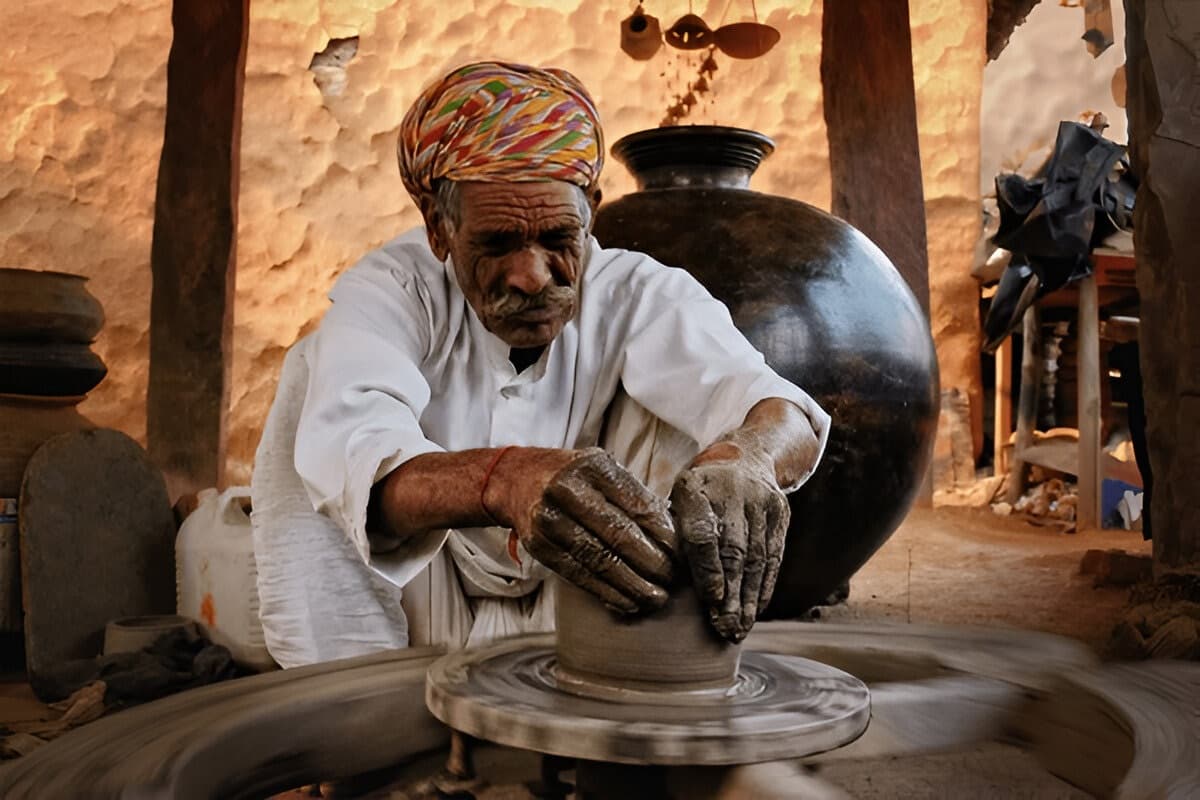
India's artistic heritage is as diverse as its culture, with each region boasting its unique visual language. From the intricate murals of Kerala to the vivid folklore of Madhubani, Indian traditional art forms are rich in history, symbolism, and storytelling. At The Craft Safari, we celebrate these timeless traditions by introducing you to the techniques, materials, and stories behind each form.
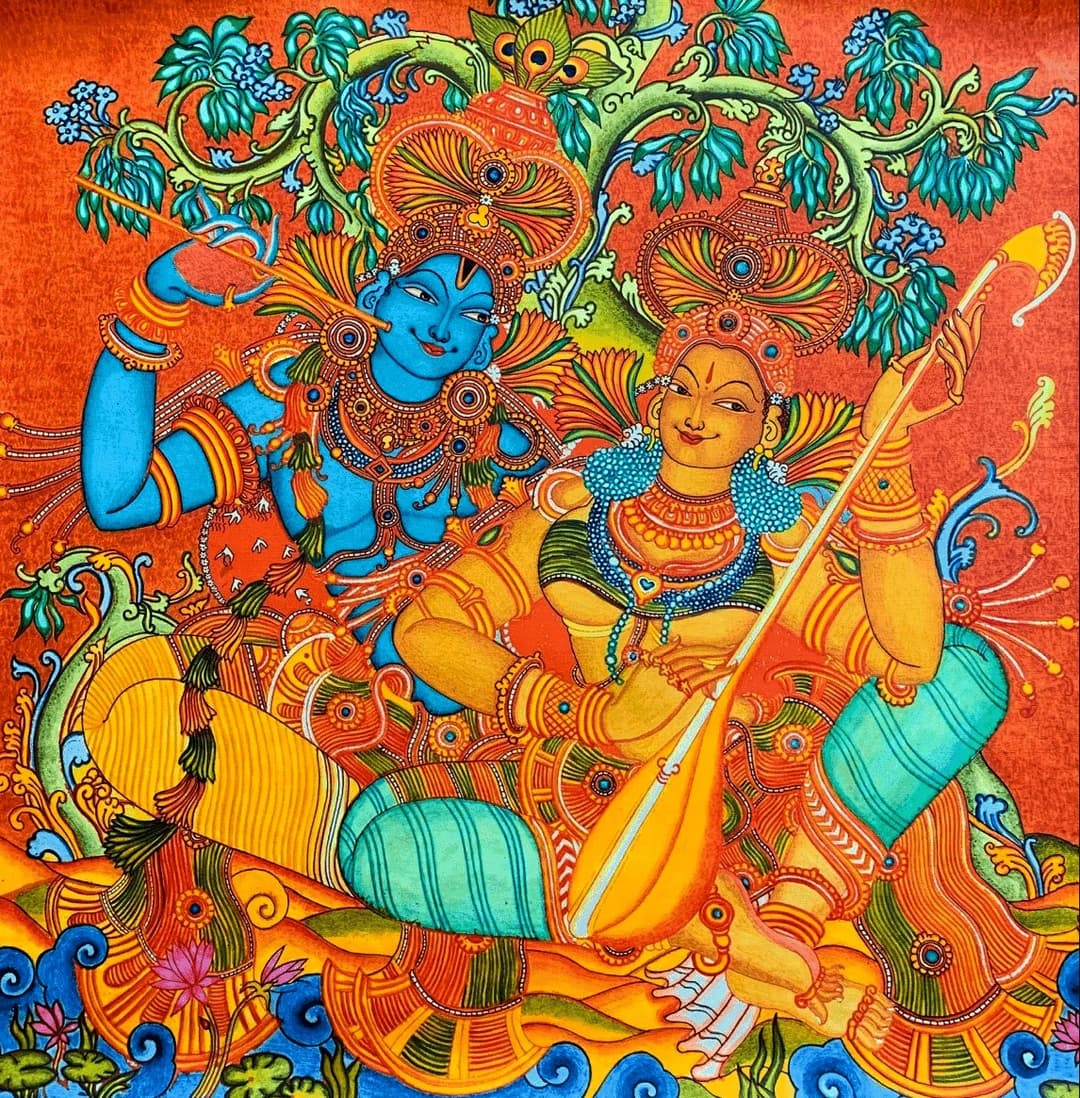
Originating from the temples and palaces of Kerala, these murals are known for their rich colour palettes, mythological themes, and intricate detailing. Created using natural pigments, Kerala murals typically depict Hindu deities and scenes from epics like the Ramayana and Mahabharata in a serene and stylized manner. Read more.
Hailing from the Mithila region of Bihar, Madhubani (or Mithila) art is characterized by its vibrant colours, geometric patterns, and folk themes. Traditionally done by women on walls and floors during festivals and rituals, this art form often portrays nature, animals and Hindu gods using natural dyes and handmade brushes. Read more.
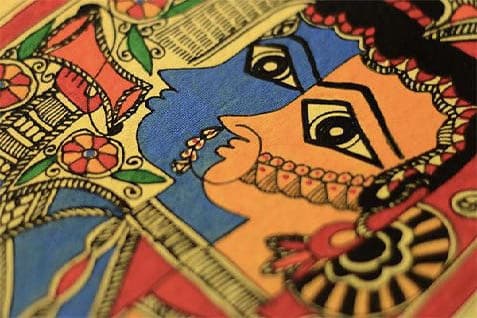

Originating in Tamil Nadu, Tanjore (Thanjavur) paintings are known for their regal elegance, vivid colours, and the use of gold foil to highlight intricate details. These artworks usually depict deities in richly adorned settings, radiating a sense of grandeur and devotion. Read more.
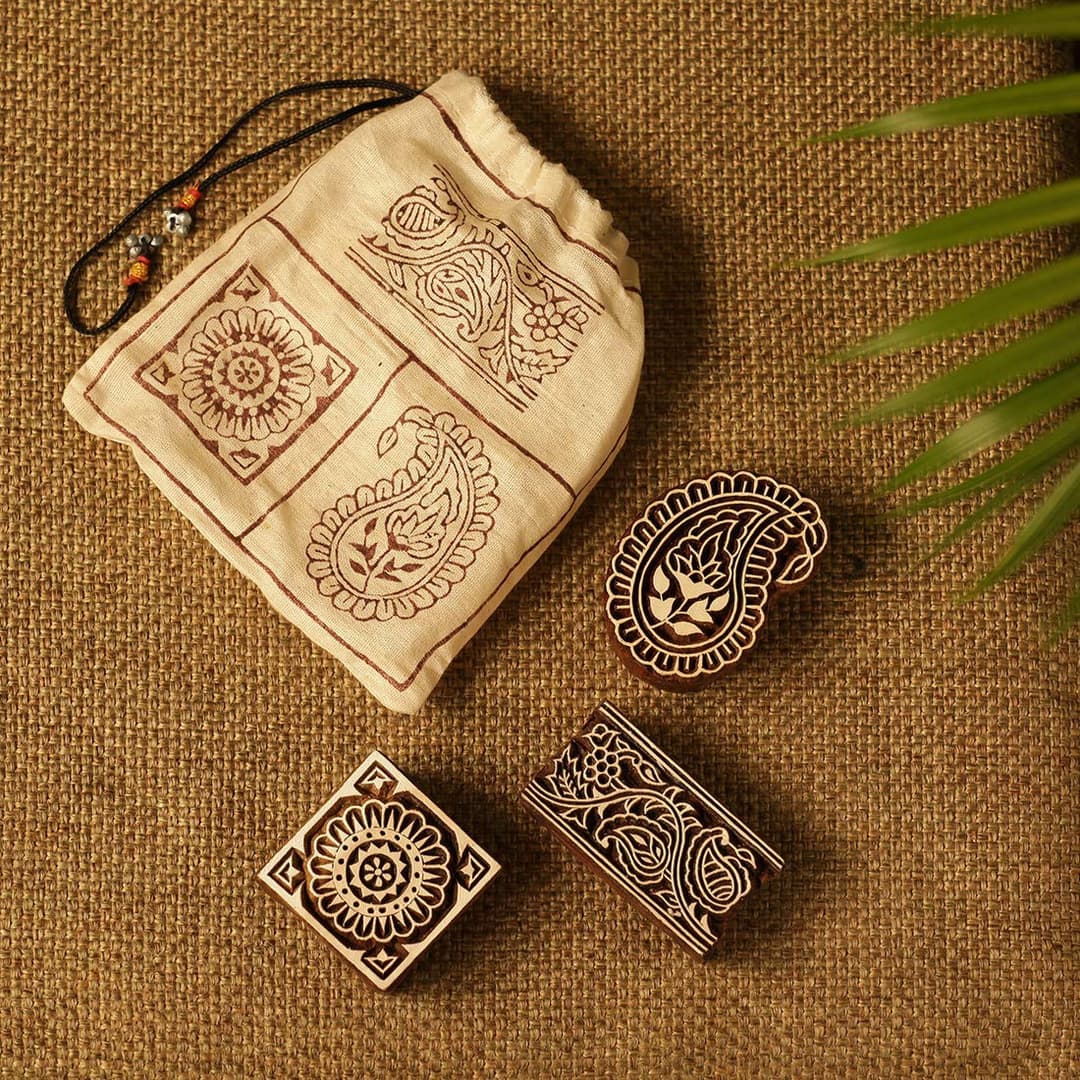
An ancient textile art practiced across several regions, block printing involves hand-carving designs onto wooden blocks and stamping them onto fabric. Rajasthan is particularly famous for this craft, with popular styles like Bagru and Sanganeri using floral motifs, paisleys, and natural dyes. Read more.
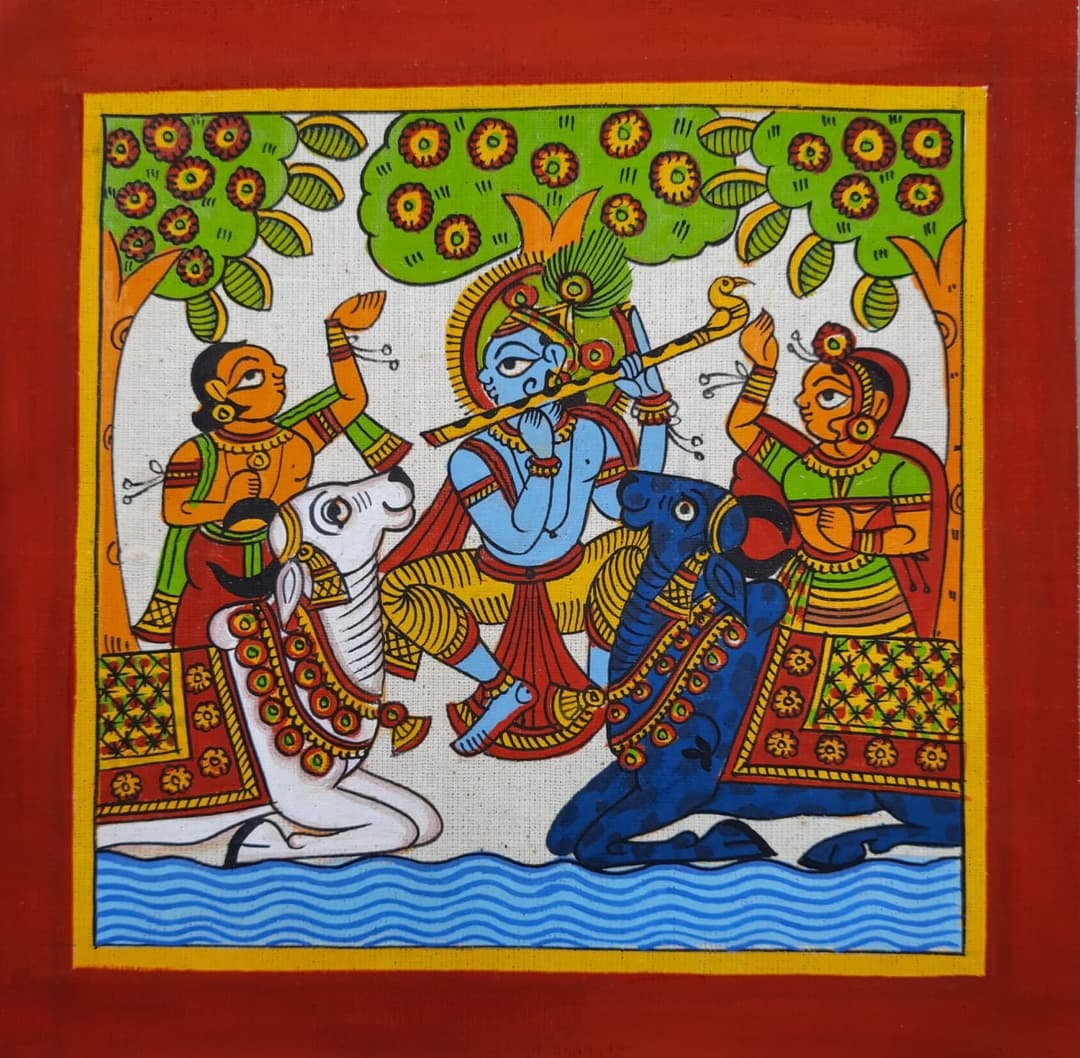
A traditional narrative scroll painting from Rajasthan, Phad art tells the epic tales of local folk deities like Pabuji and Devnarayan. These colorful, large-scale paintings are used in performances by folk singers and storytellers, and are filled with dramatic scenes and stylized figures. Read more.

Sold out


